Northern Lights and whale watching in Norway: A unique Arctic experience
You may not know where to look – to the skies or out across the water? Few places in the world offer the chance to see the Northern Lights alongside the majesty of Arctic whales. A winter visit to northern Norway offers this rare combination. Luminous aurora splashes illuminate snow-capped peaks while orcas and humpback whales feed in the icy waters. By carefully choosing the right time of year, location and tour operator, visitors can plan a seamless journey that brings together sky and sea in one extraordinary trip.
When can you see the Northern Lights in Norway?
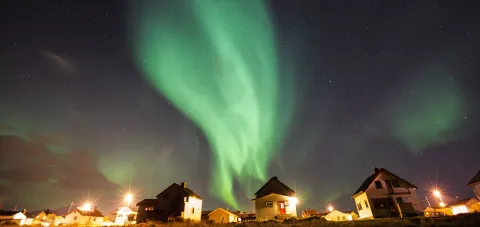
The Northern Lights, also known as the Aurora Borealis, are a natural light display caused by charged solar particles colliding with the Earth's atmosphere. In Norway, the Northern Lights are visible from late September to early April, with peak visibility in November, December and January. During this period, long nights, clear skies and minimal light pollution provide ideal viewing conditions in locations above the Arctic Circle, such as Tromsø, Skjervøy, Lofoten and the Vesterålen archipelago.
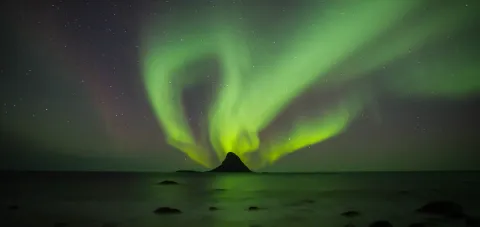
Remote fjords and elevated viewpoints offer the best vantage points. Local tour operators often provide real-time forecasts to maximise your chances of seeing the lights. Winter's low-angle sun and snowy landscapes create striking contrasts with the green, purple and pink curtains of the lights dancing overhead, making it a photographer's paradise.
Winter is not only a perfect time to watch the Northern Lights; it’s also when whale activity peaks along the northern coast, particularly for orcas and humpback whales.

Why winter is also peak whale season
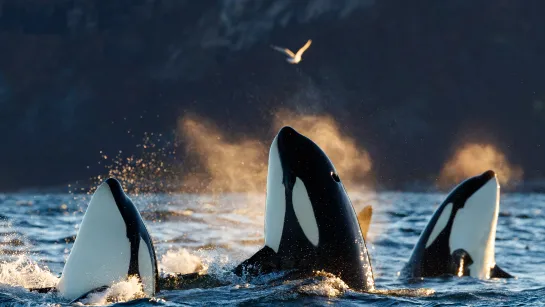
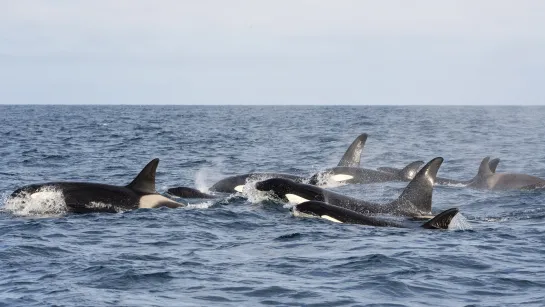
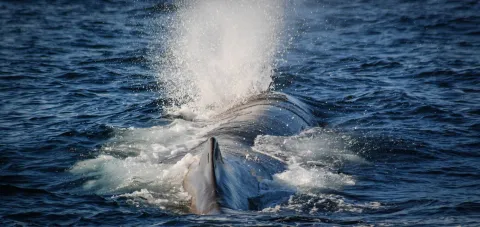
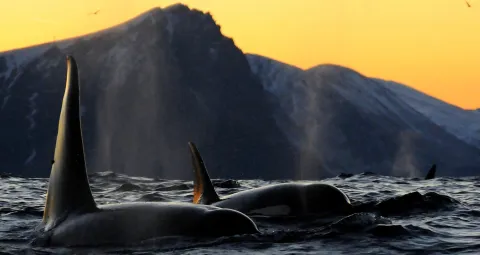
While many travellers associate whale watching with summer, it is in fact in winter that feeding activity ramps up in northern Norway. From late October to January, vast shoals of herring migrate into the sheltered fjords, luring in orcas and humpback whales. Hunting in pods, they create some of the most dramatic wildlife spectacles in the Arctic. Seeing orca fins slice through the water or humpback whales lunge through dense bait balls is an exhilarating experience.
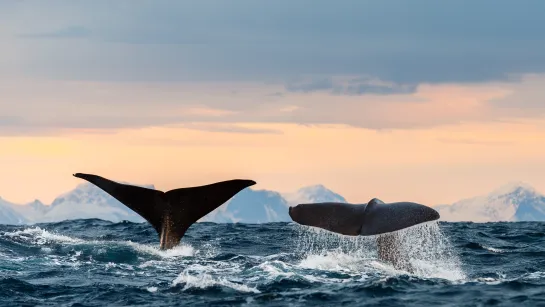
Sperm whales also dive into the deep offshore canyons, such as Bleik Canyon just off Andenes, in search of squid and deep sea fish. While sightings are possible year-round, the combination of longer nights and calmer seas between February and April provides photographers and wildlife enthusiasts with more reliable conditions. Always following strict wildlife guidelines, local operators use hydrophones to detect whale vocalisations, ensuring both safety and maximum viewing opportunities.
Where to experience both
The greatest overlap of aurora and whale-watching opportunities is in northern Norway, particularly along the Arctic coast of Vesterålen and Tromsø. The key regions are:
Situated at the northern edge of the continental shelf, Andenes (Vesterålen north of Lofoten) provides easy access to deep-water feeding grounds for sperm whales. Whale-watching boats can reach these areas within a short time, while the nearby fjords and open skies make aurora spotting ideal.
The small, remote town of Skjervøy becomes a winter hotspot when herring arrive in the surrounding fjords. Orcas and humpback whales feed close to the shore, offering photographers unparalleled access. Skjervøy’s dark skies also make it a good place to view the aurora.
Tromsø combines urban comforts with Arctic wilderness and offers easy access to winter whale tours and Northern Lights excursions. Many operators run overnight trips in search of orcas and humpback whales, while the city's surrounding fjords provide excellent vantage points for viewing the Northern Lights.
Beyond these main hubs, herring-driven whale activity has also been reported in fjords such as Lyngenfjord and Kvænangen, where the Northern Lights can also be seen.

What makes Andøya special
Andøya, the northernmost island of the Vesterålen – Lofoten archipelago, is ideally suited to combining whale watching with Northern Lights experiences. Its location at the edge of the continental shelf means that deep-water feeding grounds lie very close to the shore. This gives visitors a high probability of seeing sperm whales, and occasionally also orcas and humpback whales on a single outing. Stable winter weather and dark Arctic skies also make Andøya ideal for viewing the Northern Lights. Elevated viewpoints and open coastlines with little light pollution further enhance the experience. In addition, Andøya Space, a Norwegian aerospace and research facility on the island, has made Andøy an important center for aurora research. Scientists have used its rocket launch programs and atmospheric instruments for decades to study the northern lights and upper-atmosphere phenomena.
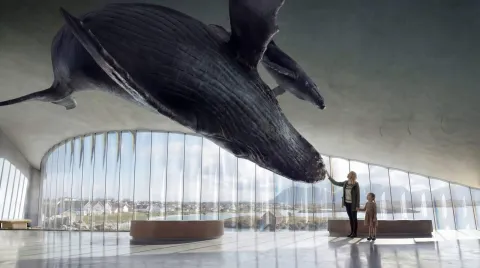
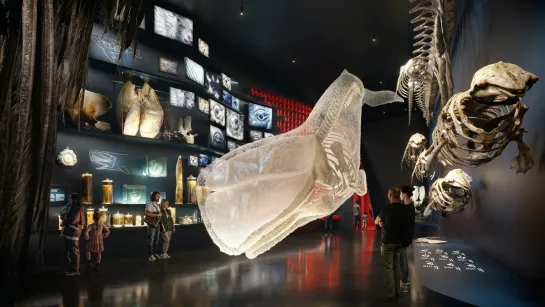
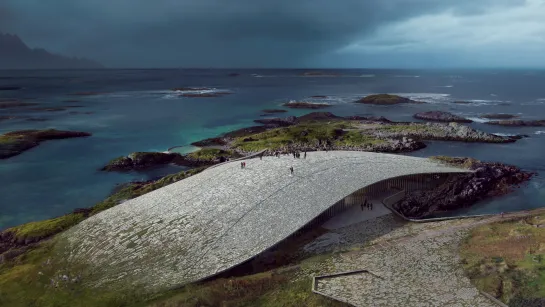
The island is also home to The Whale, a modern knowledgebase experience centre dedicated to Arctic marine life. Through interactive displays on science, history, culture and art, The Whale provides knowledge and insights to make whale-watching encounters even more meaningful.

Planning your Arctic trip
When planning a winter trip to see both whales and the Northern Lights, careful preparation is essential. Consider the following:
Timing: The peak months for Northern Lights viewing and herring-driven whale activity are October to January. February to April offers slightly longer daylight hours and calmer seas, while still providing good opportunities to see whales.
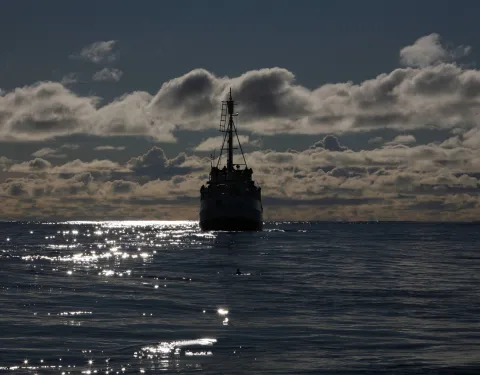
Tours and operators: Choose operators with local knowledge, who follow wildlife protocols. Boats range from heated catamarans to high-speed rigid inflatable boats (RIBs), each offering a different perspective. Expect tours to last between three and six hours, often guided by marine biologists who explain whale behaviour and ecosystem dynamics.
Clothing and gear: Winter conditions in northern Norway can be extremely cold. Thermal layers, hats, gloves and waterproof outerwear are essential. Operators usually provide flotation suits for RIB tours, but layering remains important for comfort.
Photography: The winter light is low, and Northern Lights photography requires long exposures and a tripod. For whale photography, high ISO settings and fast lenses are useful due to shorter daylight hours.
Duration of stay: To maximise your chances of seeing both whales and the Northern Lights, a stay of at least three to five nights is recommended. This allows for flexibility in case of poor weather or low whale activity on a given day.
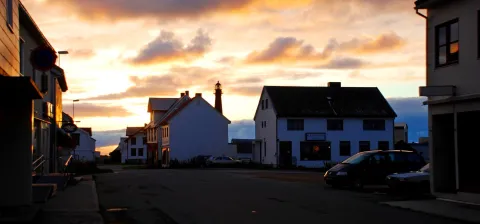
Accommodation: Tromsø and Andenes offer a variety of hotels, guesthouses and lodges. More remote areas such as Skjervøy or Lofoten offer smaller, intimate accommodation options, which are ideal for those seeking a quieter, more immersive Arctic experience.
Overall, it's worth noting that whale watching in Norway can be rewarding in every season, though species and sea conditions vary. Local experts emphasise that every whale safari is an adventure – the animals decide when and where they surface – but Vesterålen’s geographical location means that an Arctic wildlife experience is never far away. Many travellers combine their whale-watching excursions with other Arctic highlights, such as fjord cruises, birdwatching safaris and multi-day wildlife tours that blend whale watching with aurora hunting and local cultural experiences.
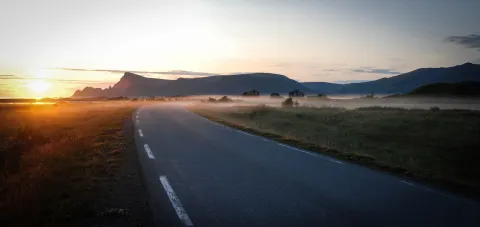
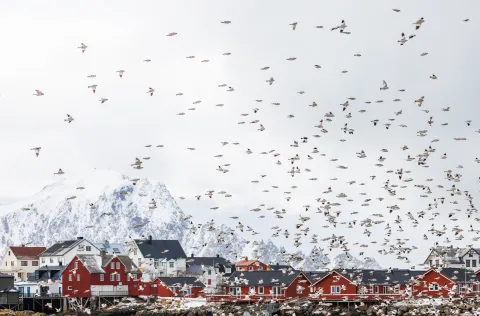
Capture the Northern Lights and whale watching in Norway
Northern Norway is one of the few places in the world where the sky and sea meet in spectacular fashion. By visiting during winter, travellers can witness feeding orcas and humpbacks whales by day and the ethereal Northern Lights by night. Combining these experiences in regions like Andøya, Vesterålen, Lofoten and Tromsø creates a uniquely Arctic adventure – a journey that blends wildlife, natural phenomena and unforgettable landscapes.
FAQ
- When is the best month to see both whales and the Northern Lights?
-
Late November to January is ideal, as the herring migration brings orcas and humpback whales close to shore, while the long, dark nights increase the visibility of the Northern Lights.
- Where are sperm whales most reliably seen?
-
Andenes in Vesterålen offers some of Europe's most consistent sperm whale sightings, particularly near Bleik Canyon.
- Can you see whales without a boat?
-
Yes, occasionally, especially in the winter near Skjervøy, but going on a boat tour dramatically improve your chances.
- Is whale watching guaranteed?
-
No, as these are wild animals. The highest success rates are found during peak winter and the Andenes sperm whale season, but sightings are never guaranteed.
- Is it suitable for families?
-
Yes, although winter tours can be physically demanding due to the cold and sea conditions. Operators provide thermal suits and safety briefings to make trips as accessible as possible.
- Can you combine Northern Lights tours with whale watching?
-
Yes. Many operators in Tromsø, Skjervøy and Andenes offer combined whale watching and Northern Lights tours, allowing you to experience both in a single trip.