The Whale – a Global Knowledge Source and Architectural Icon
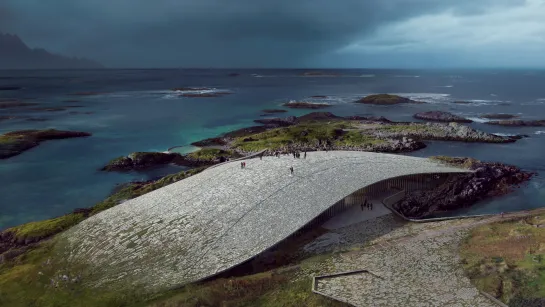
At the northern tip of the island of Andøya in the Vesterålen region of northern Norway, a new destination rises from the coastal landscape like a beautiful giant breaching the surface of the Arctic waters – The Whale. An experience and knowledge centre, The Whale offers visitors a unique opportunity to learn about whales, their environment and the cultural and historical significance of these magnificent creatures.
The source of whale knowledge
More than just a beautiful building, The Whale is designed as a global knowledge source for the study of whales and marine ecosystems. Situated in Andenes, one of the best places in the world to observe whales, this site provides unique educational opportunities to learn about whales on a deeper level. By focusing on cutting-edge whale research and hands-on exhibits, The Whale will foster a new generation of whale advocates and marine conservationists.
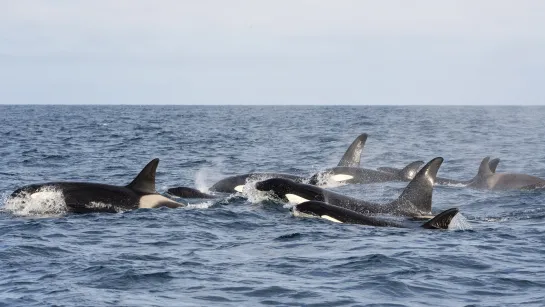
The centre covers the biology and evolution of whales, exploring the differences between baleen and toothed whales, the social structures of whale pods, their communication systems and their role in maintaining the health of the ocean ecosystem. Visitors will learn how whales contribute to nutrient recycling, their impact on the climate and the ways in which they help maintain biodiversity in the ocean.
In addition to scientific research, The Whale also delves into human’s connection with whales – through the history of whaling, the ethical concerns around whale conservation or the representation of whales in art, literature and popular culture.
Through its interdisciplinary approach, The Whale serves as a space for visitors to engage a new dialogue about how we can protect our oceans, mitigate the effects of climate change and preserve the marine biodiversity. As a hub of whale knowledge, The Whale marks a new global standard in the field of marine education and conservation.

Where science meets art
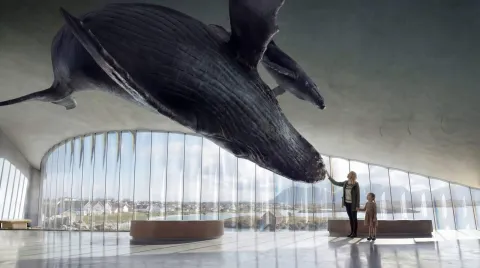
The Whale is not a typical museum. Its architecture and the exhibition concept bring together science, art, history and culture in an interactive space, designed to convey both exhilaration for and a deep connection to these marine species.
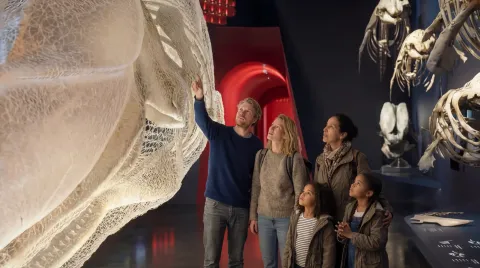
While it draws inspiration from traditional natural history museums, The Whale goes beyond being a collection of exhibits. Instead, the centre offers an immersive environment where visitors can dive into the biology, evolution and behaviours of whales.
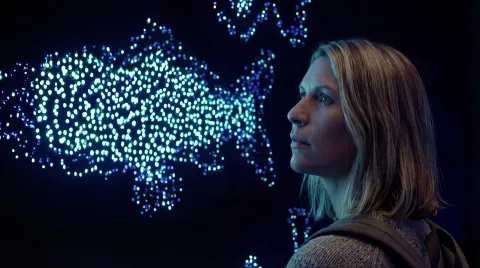
A walk through the Species Gallery explains how whales adapted to life in the sea 50 million years ago. All 90 modern-day whale species are brought together in this room, through a mesmerising and dynamic art installation.
Visitors can plunge into the Below the Surface exhibit and feel surrounded by all the creatures of the deep-sea realm or enter the Soundscape, a multi-sensory space in which the frequencies of whale songs even resonate deep in the body.
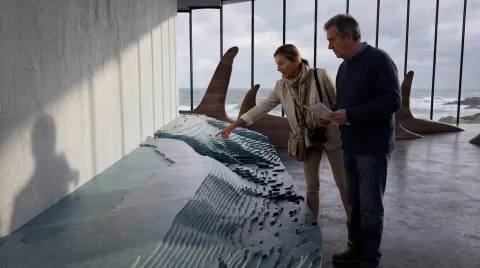
Taking a wider view, the Horizon room provides an alternative projection of the globe that reveals all the world’s oceans as a single body of water and allowing visitors to see how whale habitats and migration routes overlap with anthropogenic activities.
Visitors can also experience the story of the whale through art, literature and cultural history. In the Library of Relations, visitors contemplate the history of our interactions with whales, from ancient myths to modern-day environmental concerns, from indigenous cultures to the more recent issues surrounding whaling, conservation and climate change.
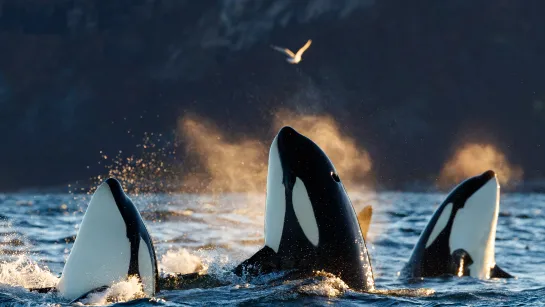
Art and nature merge at many points throughout the centre and site – such as The Killer Whale Family. These life-sized wood carvings allow visitors to experience the beautiful lines of these creatures up close.
Through the experience rooms, visitors will witness the profound importance of the whale to our ecosystem. The Whale offers an experience that speaks to and inspires people from all ages, backgrounds and interests. Visitors leave The Whale with a new understanding of the deeply interconnected relationship between humans and the ocean.

A breathtaking building
The architecture of The Whale forms an integral part of the site’s unique experience. Designed by the world-renowned Danish architecture studio Dorte Mandrup, The Whale is poised to become a significant architectural landmark – not just in Norway but on the world stage. The graceful movements of a whale inspire the design of the building, with the shapes and curves of the ocean echoed in its lines.
With its rolling form, The Whale appears to rise organically from the rocky shore of the island Andøya, making a dramatic statement in the landscape, while blending seamlessly with the natural environment. The nature-integrated construction reflects the very essence of the Arctic waters, as the border between land and water appears ephemeral and ever changing like the tides of the ocean. The form’s fluidity creates a dynamic silhouette depending on the angle from which it is viewed.

One with nature
The design exemplifies sustainable design, with modern architecture principles focused on integrating the structure into the Arctic landscape while minimising environmental impact. The Whale not only honours the landscape around it, but is built with environmentally conscious materials and energy-efficient technologies. The choice of materials reflects both the ruggedness of the surrounding Arctic environment and the delicate nature of the ocean’s ecosystems.
The structure will have a minimal environmental footprint, with elements like green roofs, energy-efficient heating and cooling systems and renewable energy sources all contributing to its nature-integrated construction. In this way, The Whale does not merely pay homage to the ocean and its creatures – it lives and breathes the principles of environmental stewardship and respect for the natural world.
The perfect setting
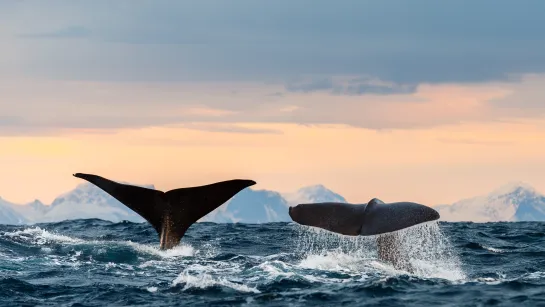
The setting of The Whale is as striking as the building itself. Andenes, on the island of Andøya in the Vesterålen archipelago of northern Norway, is one of Europe’s best locations to view whales, thanks to the underwater canyon Bleiksdjupet and the proximity of the continental shelf, which creates perfect conditions for marine life.
The Arctic waters and landscape provide a dramatic backdrop for the structure, which will offer panoramic views, with the Andenes Lighthouse standing nearby, marking the intersection of human history and the natural world.
By placing the building in this dramatic setting, The Whale will become a landmark destination in the Arctic, drawing visitors from around the world to experience not just the beauty of the whales, but the magnificence of the landscape itself. The Arctic environment provides a unique context for the story of whales, where ancient traditions, modern science and global environmental issues come together in a single location.
Like no other place in the world
Like no other place in the world The Whale is more than a space for learning about whales; it is an architectural masterpiece that blends the best elements of a natural history museum, an art gallery and a cultural storytelling platform. As an experience and knowledge centre, it is a beacon for those passionate about whales, Arctic ecosystems and ecological history.
A leading global knowledge source for all things related to whales and marine life, the Whale is a must-visit attraction for those fascinated by the ocean, its creatures and the urgent need to protect it. Offering more than just a glimpse into the life of whales, The Whale creates an experience that shapes a new view of how we see the ocean, our place in it and the creatures with whom we share this planet.